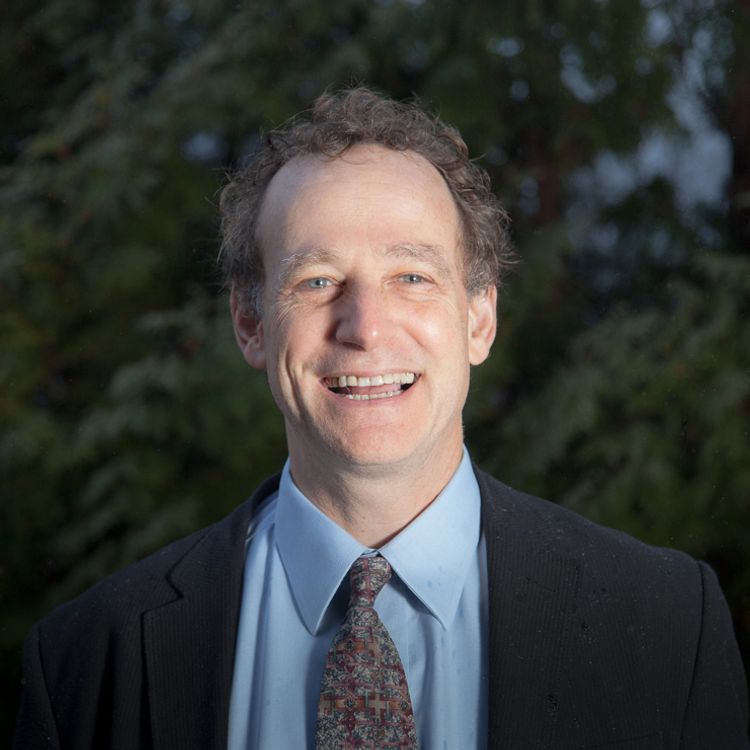
Michael Knapp, PhD
Partner & CEO
Michael founded Sedoha to close a loop that has been broken for decades: the distance between measuring impact and actually improving it. He is a context engineer and public-health informaticist who has spent 25 years building continuous-improvement systems for governments, supply chains, and social-service agencies.
In 2000 he founded Green River, a software company he grew to 45 designers and engineers without outside investment. Its work includes Open Path, the open-source homeless-services data platform begun with the City of Boston and now matching people to housing for agencies across the country; My Healthy Community, Delaware’s neighborhood-level population-health platform, peer-reviewed in the Delaware Journal of Public Health; farm-inspection and worker-safety systems for Starbucks’ coffee and cocoa supply chains; and the platform behind GRESB, the global benchmark for real-estate sustainability.
In 2024 he transitioned Green River to full employee ownership through an ESOP-cooperative hybrid. He holds a PhD in Environmental Health Sciences from Yale and lives in Guilford, Vermont, where he serves on the town Planning Commission and the boards of community organisations.
Elsewhere: Seedwork, the AI-native working method behind Sedoha · sdoh.org, personal site · LinkedIn